

About Little Spaces
Home,
through their eyes.
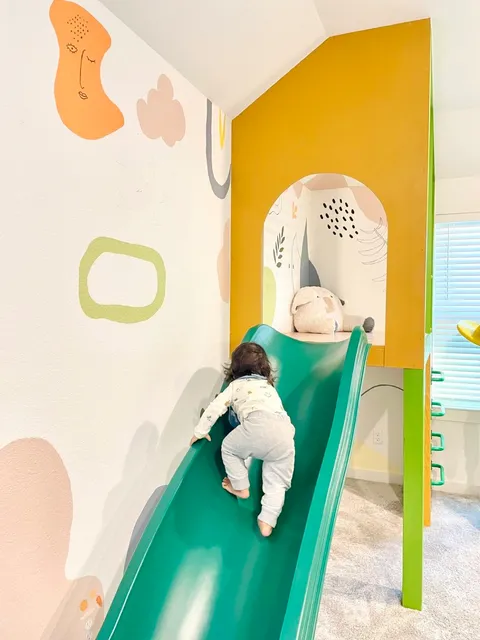
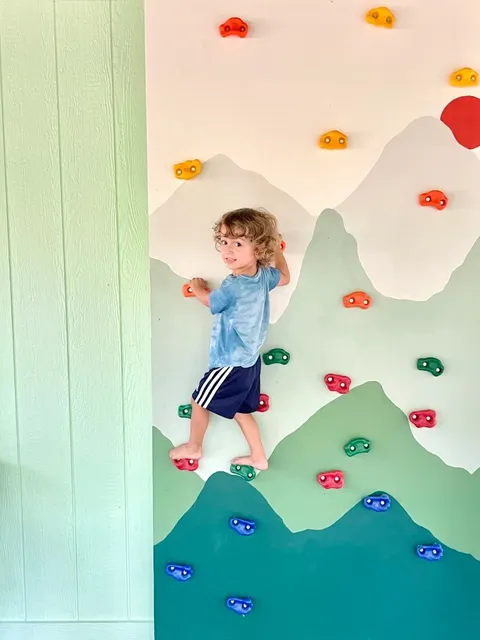
Homes are designed around the way adults live: kitchens for cooking, offices for working, living rooms for gathering.
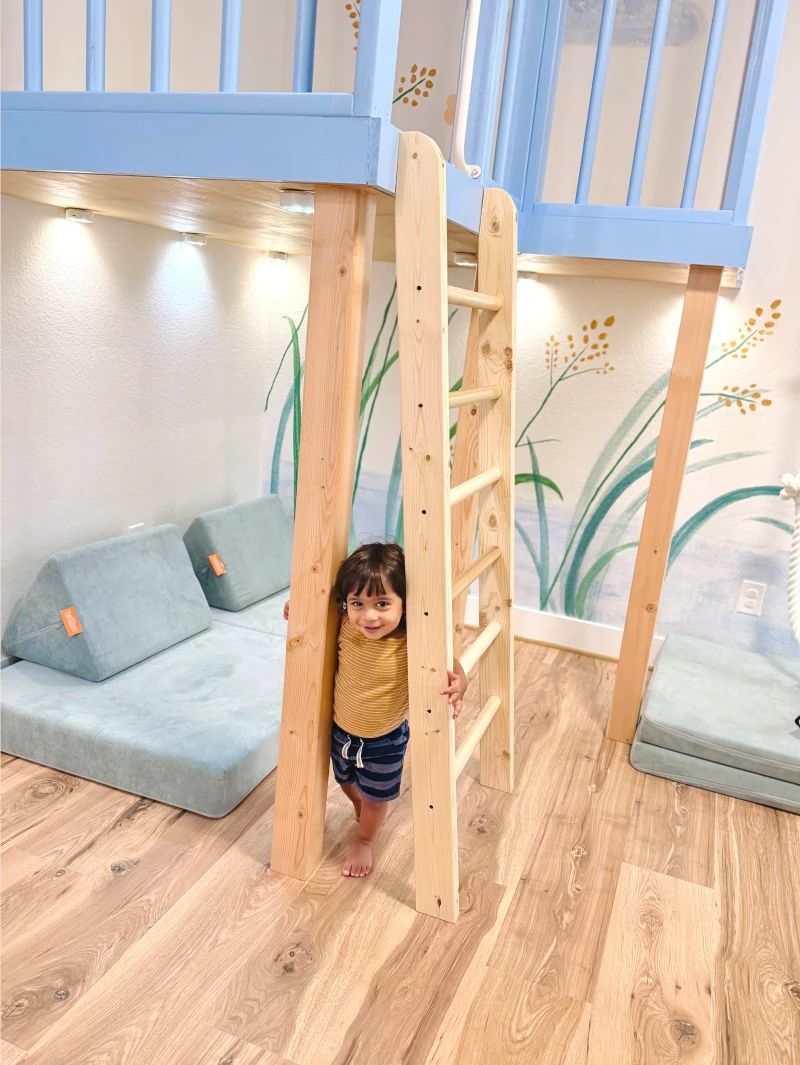
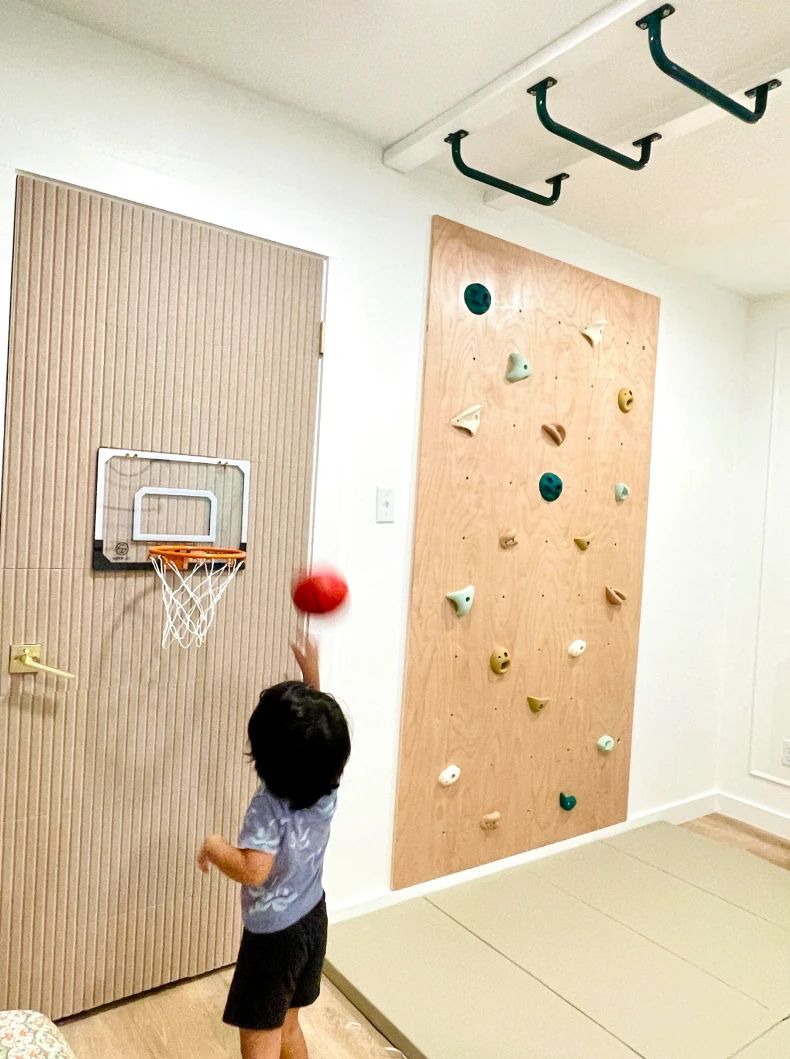
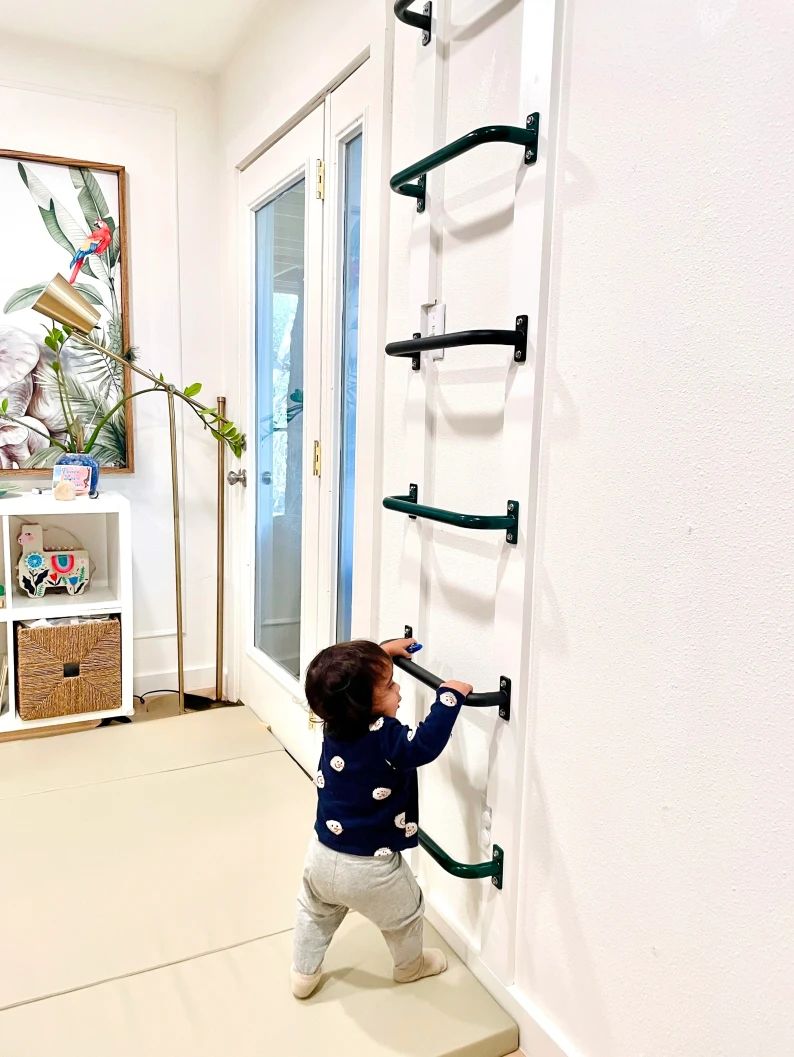
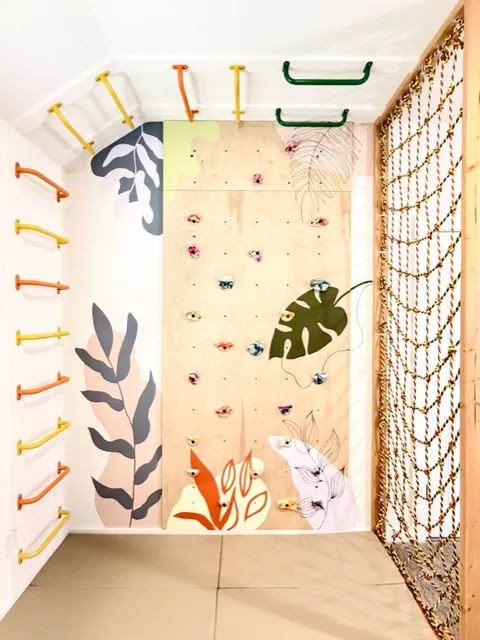
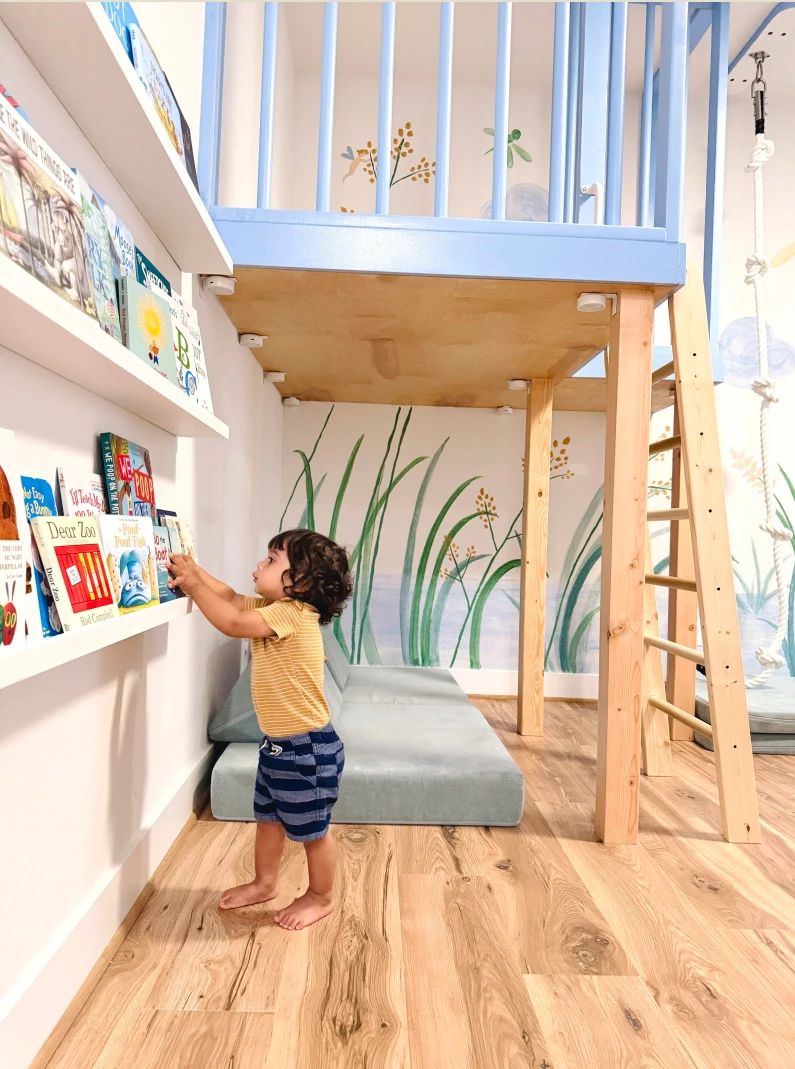
Little Spaces designs play environments around the child first, then fits them thoughtfully into the home around them.
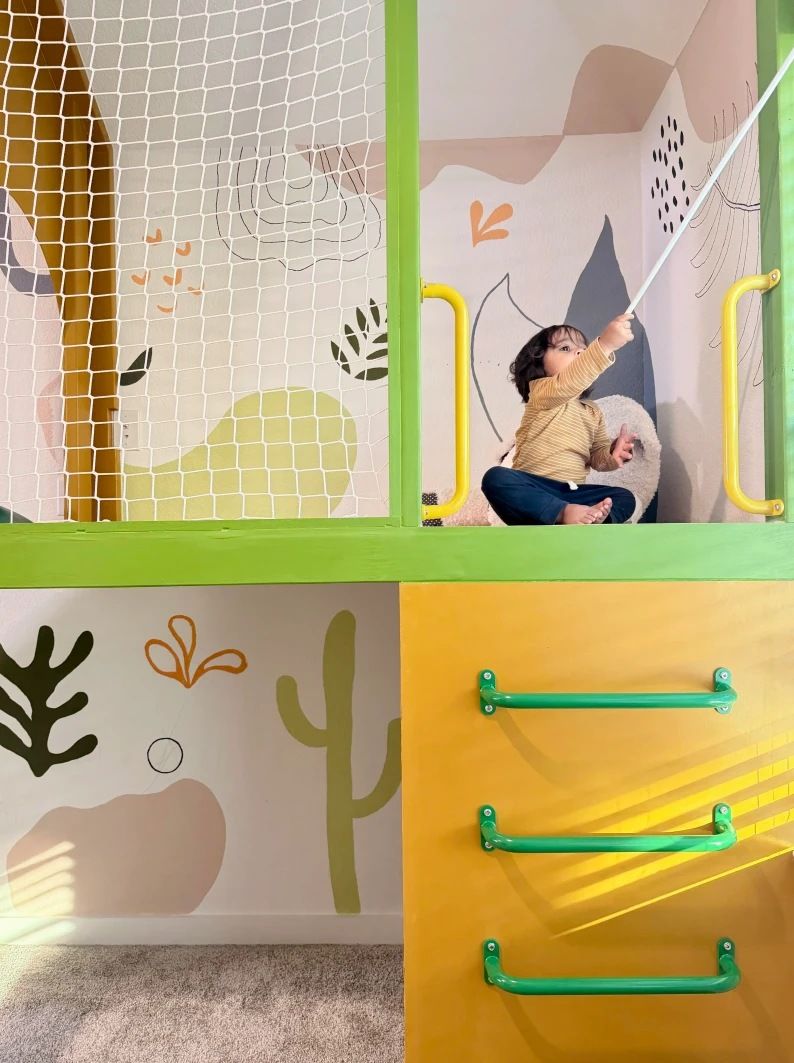
How children see it
Children experience home differently.
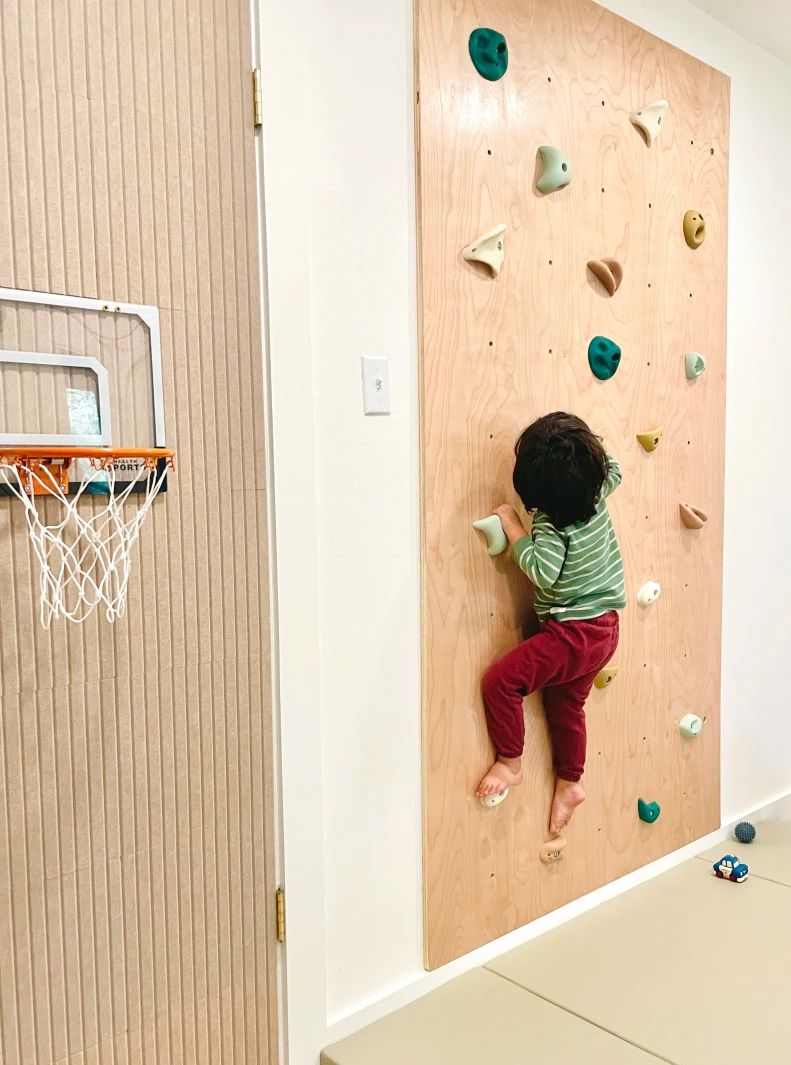
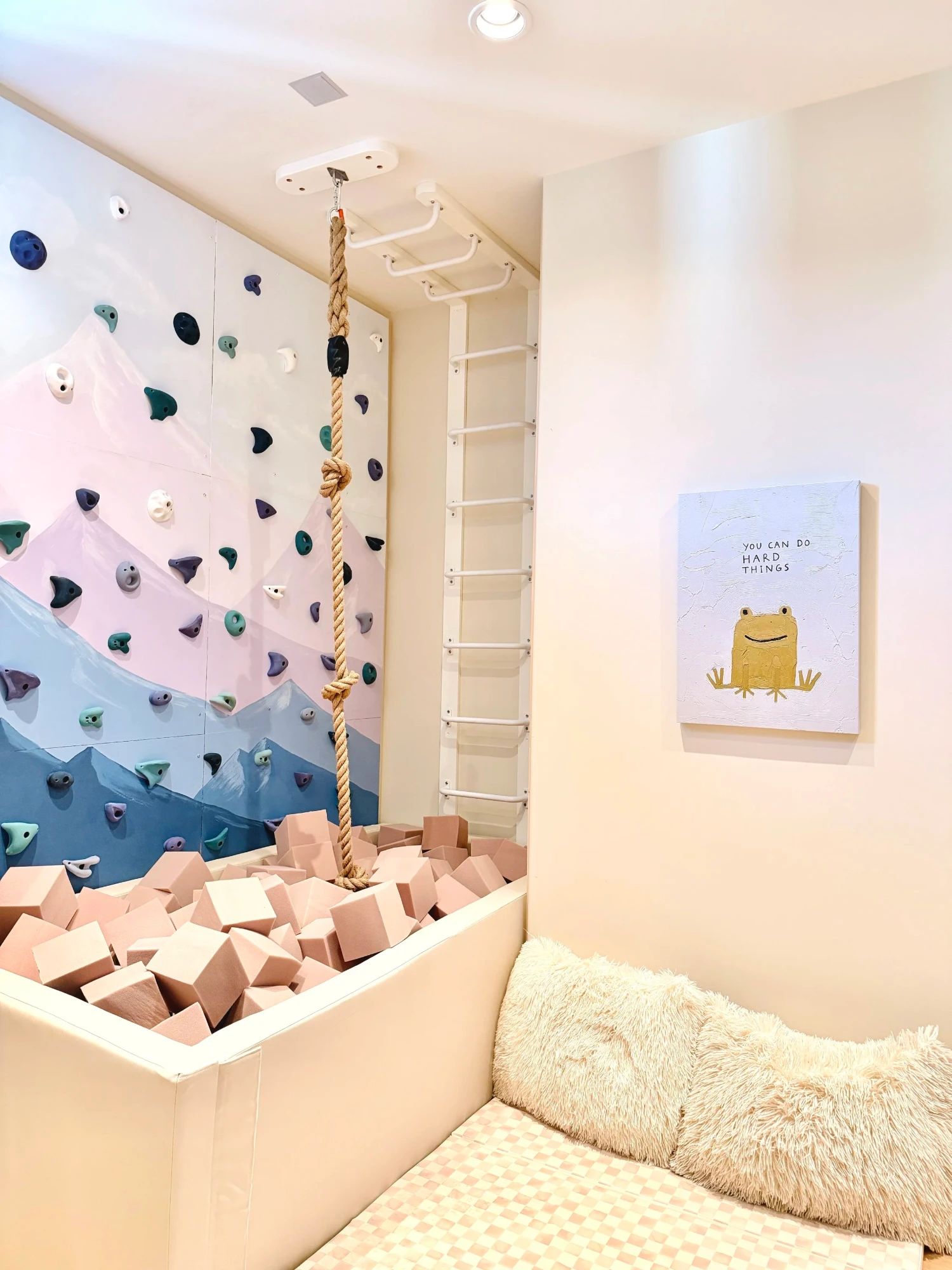
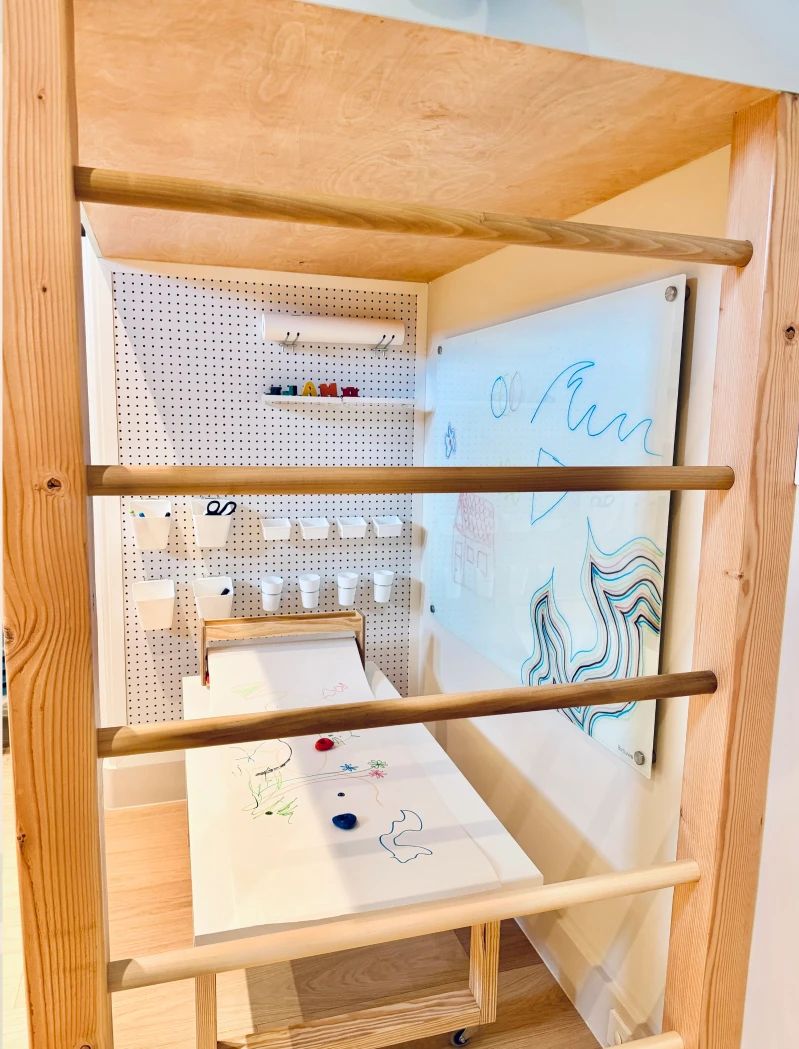
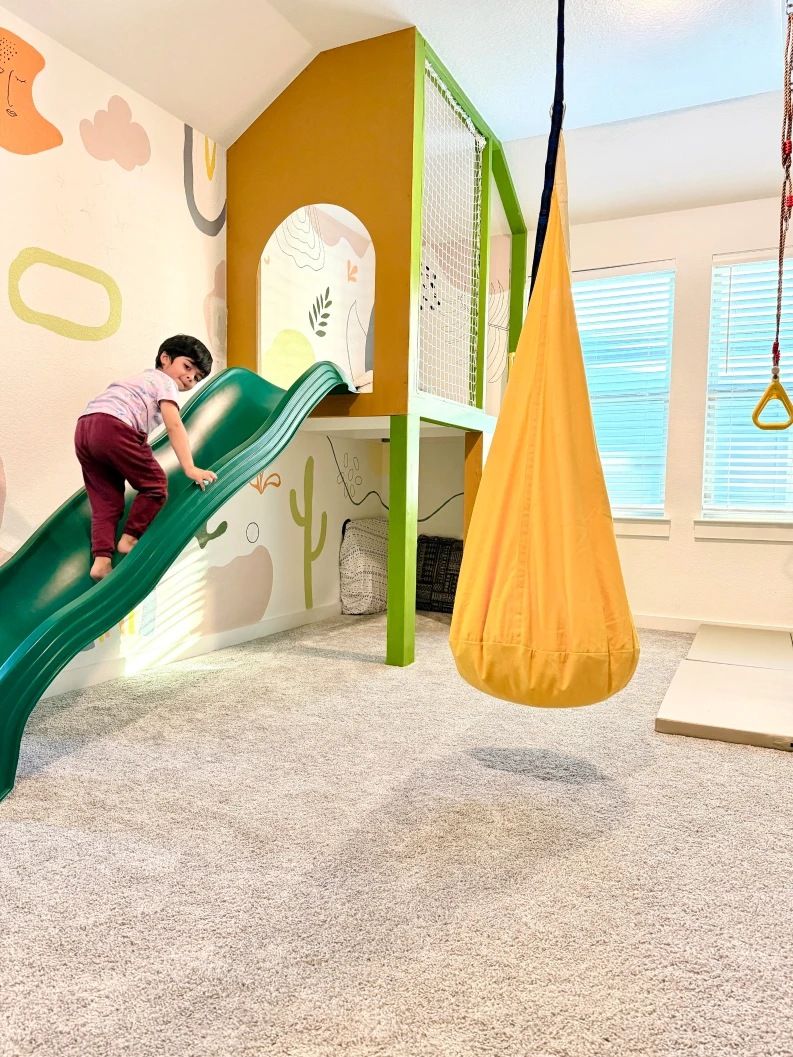
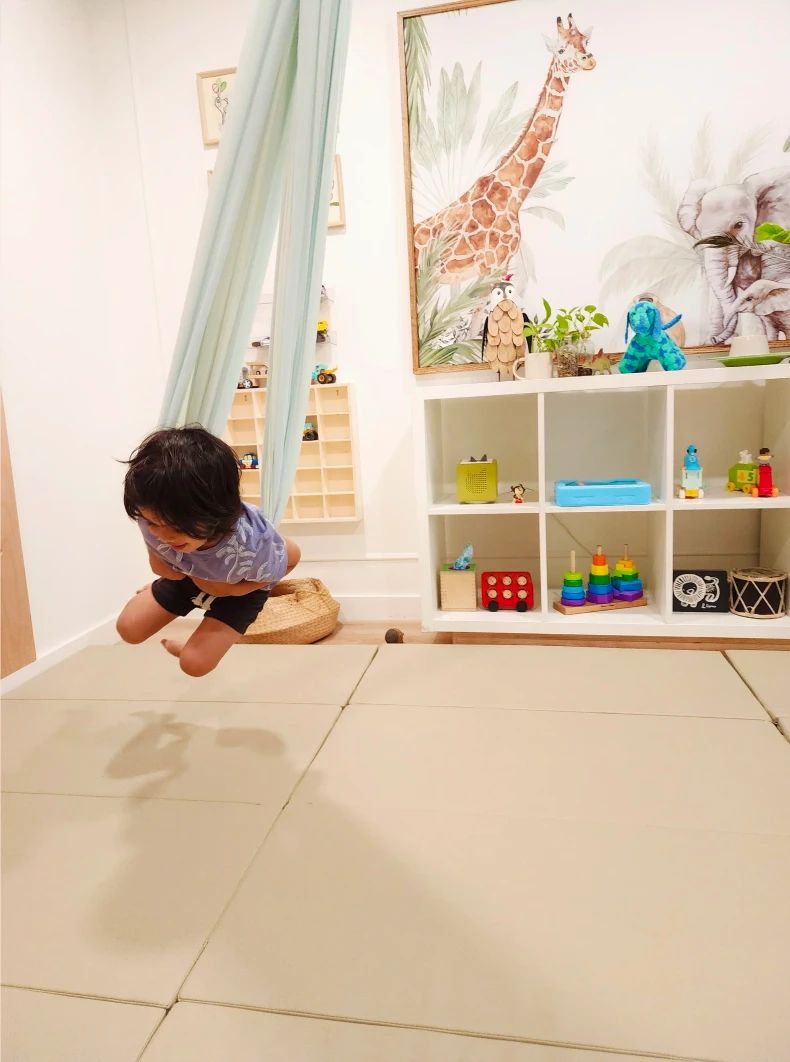
And somehow, the spaces meant for them often become rooms filled with toys rather than environments designed around the way they actually play.
Little Spaces was created to change that.
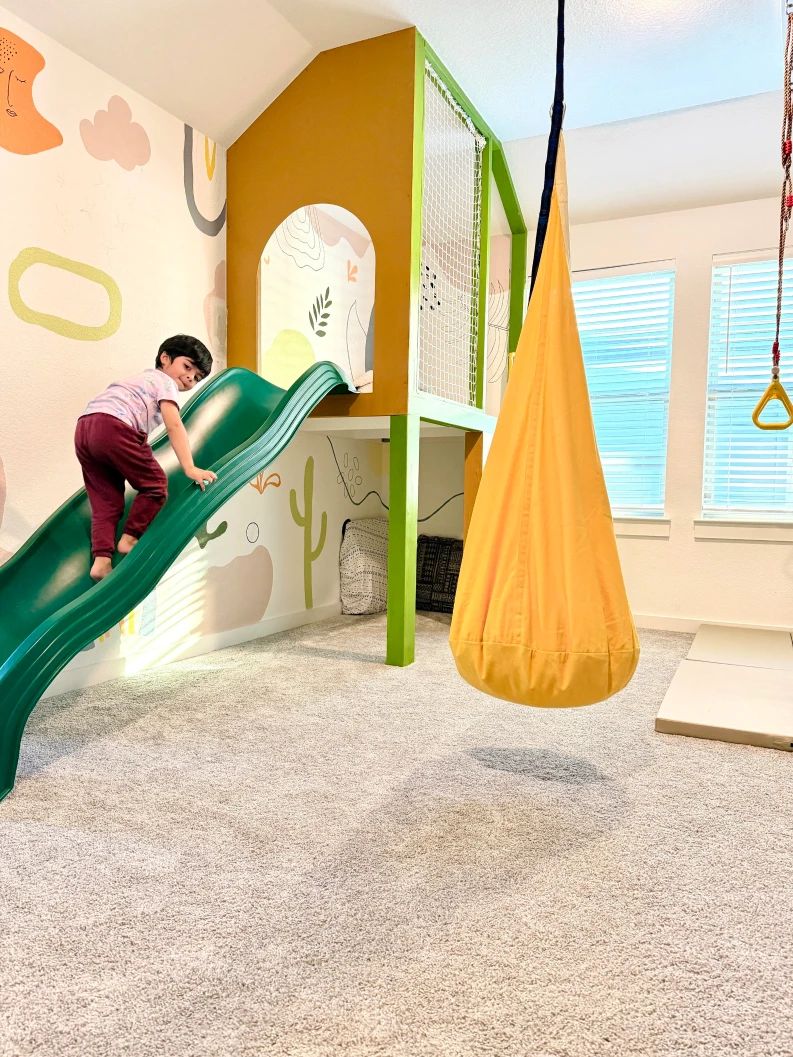
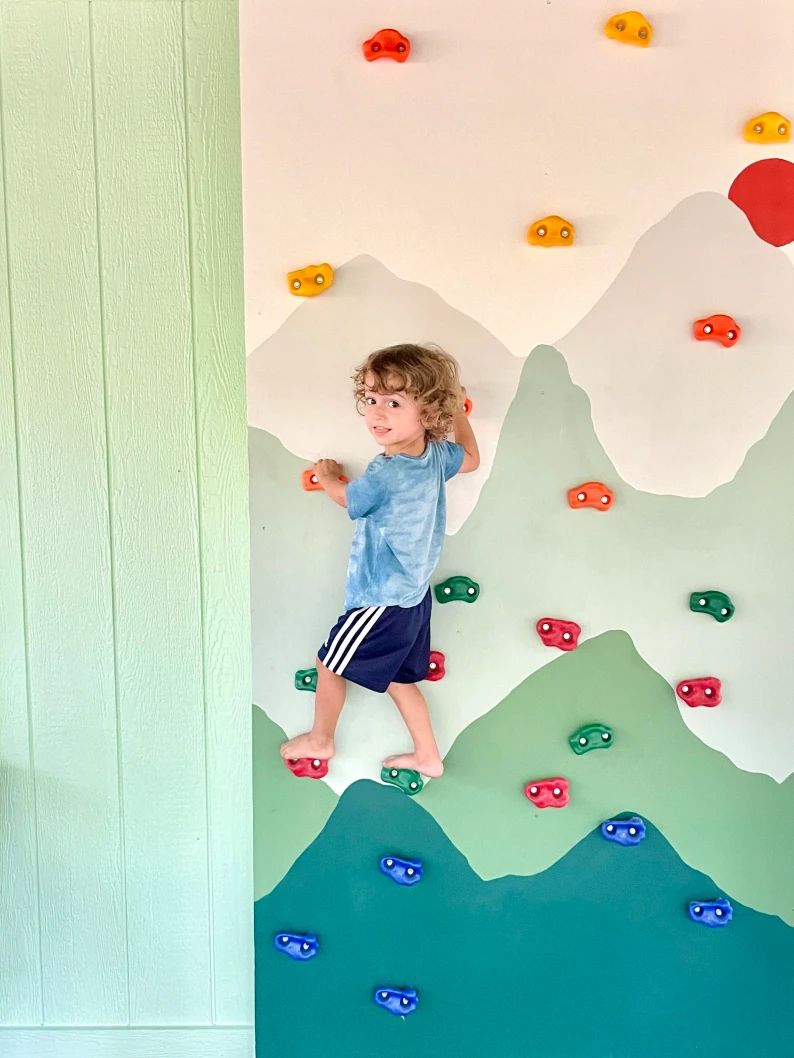
We design custom play environments around the child first — their interests, instincts, abilities and the ways they naturally engage with the world — then thoughtfully integrate those spaces into the home around them.
The result is a space that feels considered enough to belong in your home and playful enough to belong entirely to them.
Our point of view
The best play spaces leave room for possibility.
That's why we design through a philosophy we call Layered Play — bringing movement, imagination, creativity and calm together rather than designing around a single activity.
Every Little Space is intentional, but never prescriptive. Beautiful, but never at the expense of play. Designed for the child in front of us, with room for who they're becoming.
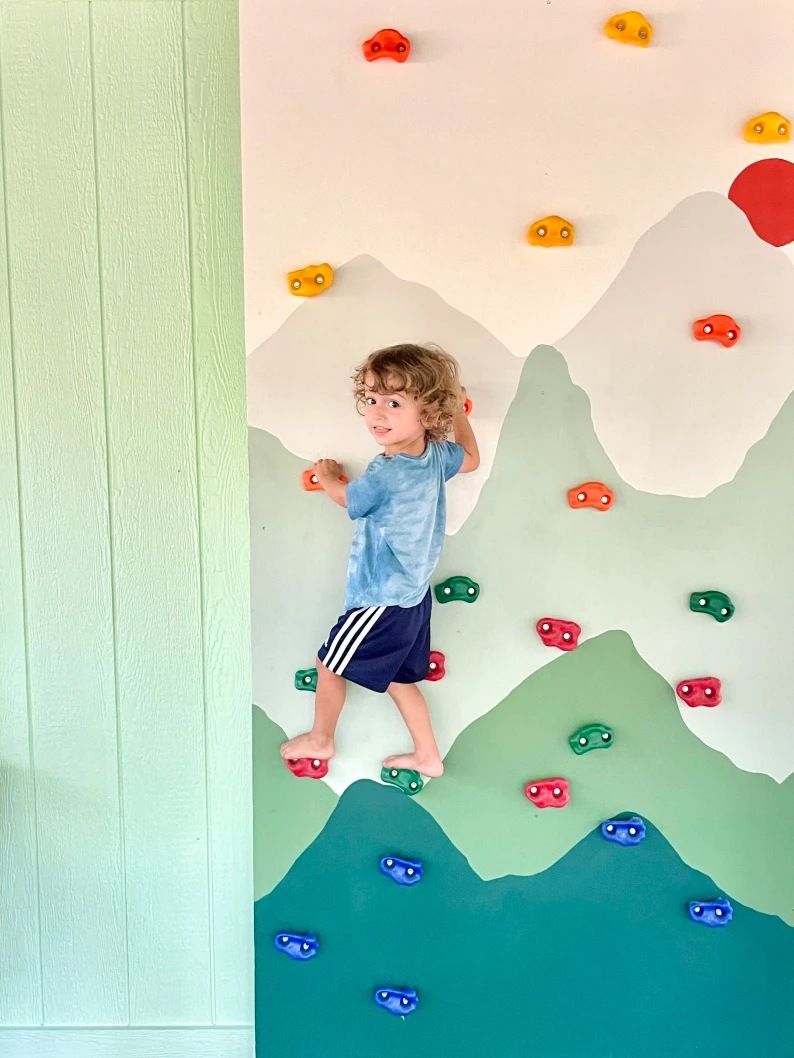

Meet the founder
Hi, I'm Sphurti.
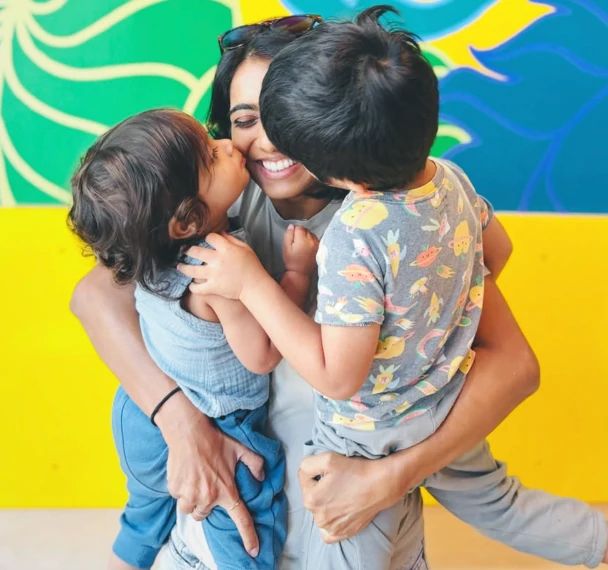
I'm a designer, a mom of two very active boys, and the founder of Little Spaces.
Before Little Spaces, I spent more than a decade designing products. That work taught me to start with people: to observe how they actually behave, understand what they need, and design around real life rather than assumptions.
Then I had children.
I watched my boys turn furniture into climbing structures, cushions into crash pads and the smallest corners of our home into entire worlds. And I started looking at children's spaces through the same design lens I'd spent years applying to products.

What if we stopped asking children to adapt to their spaces — and started designing spaces around them?
Today
The goal isn't a prettier playroom. It's a better place to be a kid.
Today, I bring together my background in design, what I've learned about child development and play, and the very practical perspective of raising two energetic kids to create spaces that work differently.
Spaces where children can move, imagine, create, retreat and grow. Spaces that feel at home in your home. Spaces that become part of everyday childhood rather than something children outgrow in a year.
- 10+yearsof product design experience
- Research-informedapproach, grounded in child development
- AlwaysbespokeDesigned around your child and your home. Never off a catalog.
As seen in
Axios Austin“Big-buck playrooms”Start your
Little Space.
Every Little Space starts with a conversation. Tell us about your child, your home, and what you're imagining.